Categories
News

New membership options

We are pleased to announce several initiatives that members voted for at the 2021 annual general meeting.

Reduced fees for members from lower-income countries

We understand that the cost of membership can be an obstacle to joining for some regions and we are offering reduced membership fees to new and existing members in those regions. PLAIN aims to serve a diverse, representative membership community. We already connect members from over 30 countries with a high proportion of members located in higher-income countries.

We hope that this change will: 

  • enable broader access to plain language networks and resources for everyone 
  • give support to plain language movements around the world. 

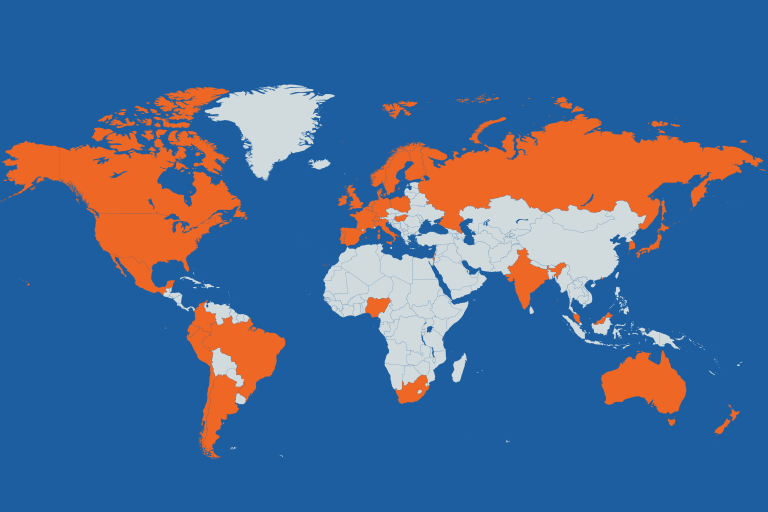
We have based our determination on the World Bank index of GDP per capita, which divides the world into 3 zones.

Zone

World Bank description

Includes (not an exclusive list)

Zone 1

High-income countries

The United States, Canada, most of Europe, Australasia, Singapore, Japan and South Korea

Zone 2

Upper-middle income countries

Most of South America, Mexico, most of Asia, some of Europe, some Pacific Island and Caribbean nations

Zone 3

Low and lower-middle income countries

Most of Africa, some of Asia, some Pacific Island nations

Zone 2 country membership fees will be reduced to USD 40/year

Zone 3 country membership fees will be reduced to USD 25/year

The reduced fees will only apply to individual memberships and not to organizational, student, and group memberships. Fees for Zone 1 members will not change. 

Group memberships for organizations

Group membership enables organizations of various sizes to join PLAIN and provide the benefits of membership to a number of their employees or colleagues for less than the cost of each joining PLAIN individually.

We are offering 4 levels of group membership:

  • Tier 1 – $150/year, up to 5 members
  • Tier 2 – $250/year, up to 10 members
  • Tier 3 – $450/year, up to 20 members
  • Tier 4 – $700/year, unlimited members.

How does group membership compare to existing forms of membership? 

PLAIN currently offers two forms of organizational membership – Organizational and Enhanced Organizational membership. In both cases, the membership is a single membership – only allowing for one email address, one member identity, and one set of member benefits. By comparison, group membership allows a number of members of an organization to have all the benefits of individual membership. 

Automatic renewal of membership fees

Next time you renew your membership you will be asked to register for automatic renewal and provide your credit card details. This is a once-only process. From then on, your membership will be renewed automatically, based on the details you have provided. Members can end their membership any time by cancelling automatic renewal payment. Cancelling is easy and membership will continue up to the set renewal date. 


See our Membership types and benefits page for a full overview of all options for PLAIN membership.

If you have any questions, please send us a message at membership@plainlanguagenetwork.org

Categories
News

A court closer to its citizens with Judge Lola from Argentina

From Europe in February to South America in July. Join us for our second webinar where we enter the world of legal language and catch up with Judge Lola from Buenos Aires. In this webinar PLAIN host Lodewijk van Noort will interview Judge Lola on the role of plain language in building an open, online, and model court.

When: Tuesday July 19, 2022
What time: 14:00 – 15:30 Central European Time
About: A court closer to its citizens with guest, Judge Lola from Argentina

This webinar is free to our members.

Register here

What is this webinar about?

In this webinar PLAIN host Lodewijk van Noort will interview Judge Lola about the role of plain language in building an open, online, and model court in Buenos Aires.

Traditionally, we don’t expect judges to make efforts to be closer to citizens. Yet, this is what Judge Lola and her project team set out and managed to achieve a few years ago. Judge Lola will tell us about the steps she took that transformed the court and how it now interacts with citizens.

Come be inspired:

  • The Organization for Economic Co-operation and Development has recognized their work.
  • A single vision unites the work team in building an open and transparent court.
  • Find out how courts can foster innovation, transparency, collaboration, and participation with citizens.

The main presentation will be in English. After the interview and discussion PLAIN members can join 1 of 3 breakout rooms:

  • Discuss with members from her working group, the Observatorio de Lenguaje Claro, facilitated by Natalia Torro (Spanish & English)
  • Share experiences of plain language in legal businesses (English)
  • Chat over coffee for networking (English)

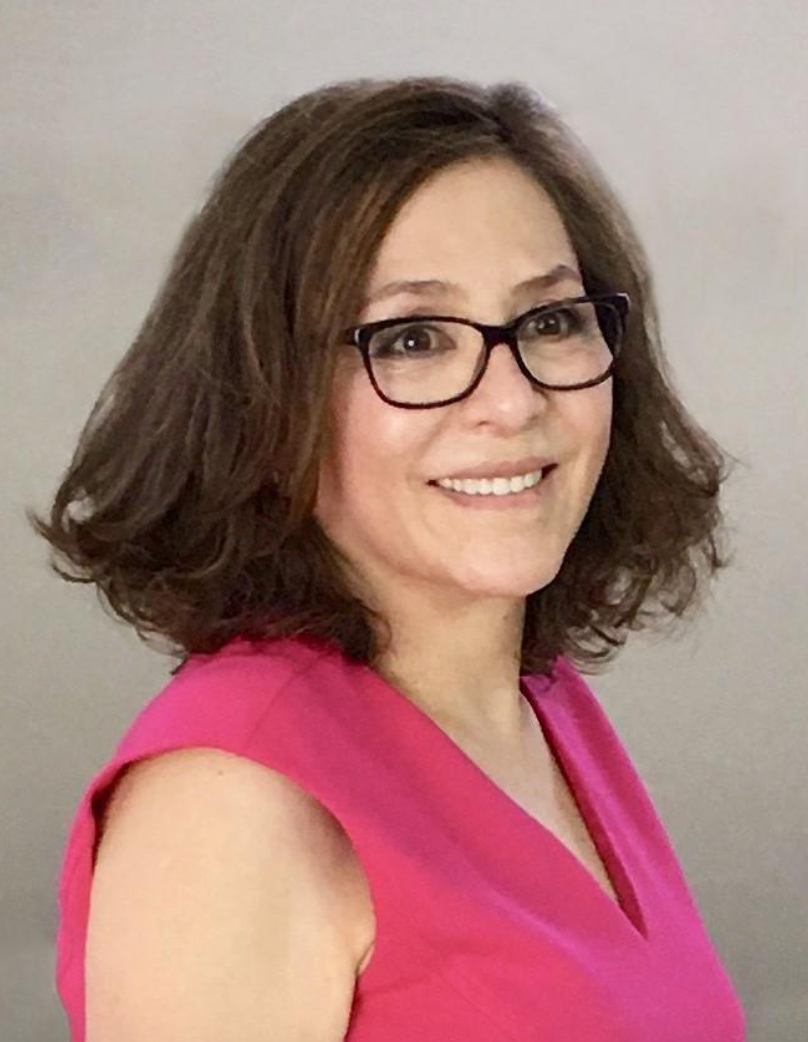
Meet Judge Lorena Tula del Moral (Judge Lola) and her team in Argentina.

Lola earned her Law Degree from University of Buenos Aires, and has specialized in Administration of Justice. She is the director of the Observatorio de Lenguaje Claro of the Law School of University of Buenos Aires. She is a judge of the Criminal Court No. 13 of the City of Buenos Aires, and has written several publications.

Categories
Uncategorized

New PLAIN Ambassador in Ecuador, Mónica Yepez

In her career as editor, teacher, advisor, and lawyer, she has seen the negative effects of traditional writing on an individual, institutional and social scale. For this, she has seen the need to innovate writing. In 2018, she created the Fundación Escribir, which projects, Proyecto Lenguaje Claro and Proyecto Nacional de Escritura, seek to transform communication and education, respectively.

One of her current functions is to design and impart plain language courses for mediation centers, companies and professionals from the public and private sectors.

She is doctor in jurisprudence (U. Catolica del Ecuador) and has a master’s degree in education and in the teaching of writing (University of Maine, USA).

Categories
News

Plain language projects in the Open Government Partnership

Commitments to plain language around the world

The Open Government Partnership (OGP) is an organization of reformers working to transform how government serves its citizens. Its main goal is to promote transparent, participatory, inclusive, and accountable governance. Currently 77 countries, 76 local governments, and thousands of civil society organizations are members of the OGP.

A number of countries in Europe and the Americas have defined plain language as a powerful tool to achieve more transparency, participation, inclusiveness, and accountability in governance. These countries have made commitments in their national OGP action plans. Thirty-six commitments mention “plain language”, “clear language”, “accessible language”, or their Spanish equivalents. Most focus on making legislation, regulation, or administrative documents and forms publicly available in a plain language format. Some commitments are broad, applied to government documentation in general, while others are specific to sectors.

Here are some examples of commitments: 

Chile, 2016: “Energy Sector Watch”

Chile committed to making information about the energy sector, including data, statistics, public policy, plans, and strategy, more accessible. As part of this initiative, certain energy sector information was made available in plain language in order to better facilitate citizen engagement.

Norway, 2013: “Plain Legal Language”

Norway committed to re-examining pieces of legislation that are important to citizens and reformulating them in plain language. They also planned to create a methodology to draft new legislation or revise old legislation in plain language format. Finland also made a similar commitment in 2013.

Luxembourg, 2019: “Promotion et sensibilization de l’utilisation d’un langage administratif clair et compréhensible”

Luxembourg plans to train administration officials to use plain language in public-facing administrative documents. In the future, this training will be part of a continuing education program on clear and understandable communication for administration officials.

The Netherlands, 2020: “Implement plain language initiatives

The Netherlands is creating a Plain Language Brigade to advocate for the publication of plain language government information. The program will help to ensure that Dutch citizens have access to clear, digitized information about public services.

Albania, 2020: “Publish accessible budget information online for citizen engagement” and “Improve reporting on public finance information

Albania will publish accessible information about both the budget and other public finance plans in plain language.

Lithuania, 2021: “Assessing Impact of Draft Decisions and Making the Results Publicly Available

Lithuania will provide clear and comprehensible public information about the expected benefits and costs of potentially greater-impact legislation under the government’s consideration, and underlying reasons for the specific decisions.

Find the full list of commitments related to plain language here (downloads an Excel spreadsheet)

Do you want to get involved? 

If your country has already made commitments, you can make contact and ask how to contribute or advise. You find the contact details of national and local members on OGP’s web site. If your country has not made commitments yet, you could contact your national or regional authorities and start advocating, inspired by the commitments from other countries.


Categories
Uncategorized

PLAIN Ambassador Antonio Martin

PhD. In Spanish Philology, CEO of CÁLAMO&CRAN, PUBLISHNEWS and EnClaro (Spanish Plain Language). Member of PALABRAS MAYORES. Co-founder of UniCo and SEA (Spanish Editors Association). Honorary member of La Casa del Corrector, of the Litterae Foundation. Co-author of El libro rojo de C&C (C&C, Madrid, 2013), 199 recetas infalibles para expresarse bien (Vox, Barcelona, 2015), Dilo bien y dilo claro (Larousse, Barcelona, 2017), and author of La mano invisible: confesiones de un corrector iconoclasta (CSIC, Madrid, 2019). He is a passionate and entertaining teacher, and an enthusiastic communicator of language.

Categories
News

Webinar with Charlotte van Hooijdonk | The sense and nonsense of icons and pictograms

All PLAIN members are invited to join our first webinar with Charlotte van Hooijdonk of Utrecht University. We are honoured that Charlotte is willing to present her research on the comprehensibility of icons and pictograms.

When: Wednesday, February 23, 2022
Where: Online on Zoom
What time: 19.00 – 20.30 Central European Time
About: The sense and nonsense of icons and pictograms

What’s the webinar about?

In this webinar we discuss using icons for more inclusive communication in the Netherlands and Flanders (Belgium).

At the start of the corona crisis, governments had to communicate about all kinds of new measures that citizens had to adhere to, for example ‘keep 1.5 meters distance’ and ‘avoid crowds’. It was important to share this information in an understandable way, given that Dutch is not the mother tongue of all citizens, and the written word can form a barrier. Icons, highly simplified images that express a message, could help to optimize communication with these groups. The idea is that images are easier to understand than written language. But is that true?

Charlotte van Hooijdonk and Lisanne van Weelden of Utrecht University conducted research into this at the request of the Municipality of The Hague (The Netherlands) and the City of Ghent (Belgium) and on behalf of the Taalunie (Language Union). In this webinar Charlotte presents the striking and sometimes startling results.

Details

The main presentation will be in English. After the presentation we will discuss the implications for PLAIN members in our daily business. We will moderate this discussion in 3 languages: German, Spanish and English.

You can watch the webinar on the PLAIN site.


Categories
News

PLAIN e-journal: Call for contributions

Reader. User. Audience. Customer. The public. Whichever way you define them, they’re essential to the work we do in plain language. 

The next issue of PLAIN’s e-journal will focus on getting to know your reader.

Call for contributions

We are looking for contributions from colleagues around the world about new developments as well as time-tested methods in understanding the relationship between plain language practitioners and readers. Articles could cover any aspect of this, such as:

  • researching target groups
  • collaborating with readers
  • user testing methods
  • inclusion and access
  • success (and failure!) stories.

We also welcome ideas for interviews with experts and book reviews that are relevant to this topic. We aim to include a broad range of perspectives on this topic across different regions, industries, and practices.

Articles should be short pieces of 800 to 1,000 words. They are all published in English, although we prefer to include a second version in the author’s own language where that is not English.

You do not have to be a member to contribute to the e-journal, but members’ submissions will be prioritized.

If you are interested in submitting an article, please send a message with a summary of your article to publications@plainlanguagenetwork.org.

NOTE: As of 22 March 2022, we are no longer accepting proposals for this issue. 

Categories
News

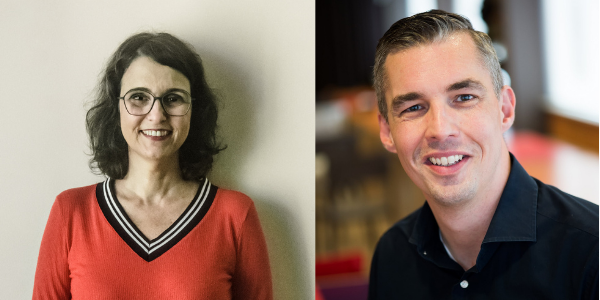
PLAIN welcomes 2 new board members

Plain Language Association International (PLAIN) has welcomed 2 new members to its  Board of Directors:

  • Heloisa Fischer (Brazil)
  • Lodewijk Van Noort (The Netherlands)

The new board members were elected at the Annual General Meeting on November 10, 2020. The new members bring with them a diverse background – both in their professional experience and in their global perspectives.

The Board spans 5 continents and 11 countries – a reflection of PLAIN’s international development. They will play a vital role in implementing the goals set in PLAIN’s strategic plan for 2021−2025. 

The Board would also like to thank exiting member Vera Gergely for their service on the Board. Their invaluable support with communications and the website was key to PLAIN’s growth over the past 6 years.  

Are you interested in helping PLAIN shape the future of plain language globally? Become a member  today! 

Categories
News

Convocatoria: embajadores/as de PLAIN

Queremos que PLAIN sea una organización verdaderamente internacional. Por eso, buscamos voluntarios/as que apoyen nuestros objetivos estratégicos a nivel regional; específicamente:  

  • fomentar y respaldar iniciativas locales/regionales de lenguaje claro; y 
  • reforzar la participación y las acciones en las redes regionales de lenguaje claro. 

¿Qué es un/a embajador/a de PLAIN? 

El embajador o embajadora brindará una perspectiva local a los debates y conversaciones de PLAIN. Además, fomentará los principios del lenguaje claro en su región o idioma y será un punto de contacto para aquellas personas interesadas en ser parte de PLAIN. El embajador o embajadora debe ser pragmático/a, crear o fomentar una red de contactos y estar al tanto de las conversaciones que surgen en el sector. 

¿Cuáles son las tareas del embajador/a de PLAIN? 

El embajador o embajadora de PLAIN debe: 

  • servir de intermediario/a entre miembros regionales de PLAIN y la junta directiva (crear red de contactos, difundir mensajes, hacer traducciones cuando sea necesario) 
  • promover los principios del lenguaje claro y promocionar a PLAIN en su idioma o región 

Tareas adicionales del embajador o embajadora: 

  • crear contenido original en su idioma para redes sociales (por ejemplo, publicaciones, hilos de Twitter, artículos); 
  • fomentar la participación y las conversaciones en las redes sociales; 
  • localizar iniciativas o recursos de PLAIN; 
  • interactuar con redes y expertos/as en su región (por ejemplo: a través de redes sociales, foros, boletines); 
  • organizar un evento de lenguaje claro (por ejemplo: hackathon, mesa redonda, webinar); 
  • asistir a eventos/reuniones sobre el tema y crear resúmenes para los miembros de PLAIN; 
  • difundir iniciativas regionales en las comunicaciones de PLAIN; 
  • crear premios o reconocimientos para líderes locales de lenguaje claro. 

¿Cuáles son los beneficios de ser embajador/a de PLAIN? 

El embajador o embajadora de PLAIN tendrá: 

  • mayor reconocimiento en la comunidad profesional internacional de lenguaje claro; 
  • oportunidad de conectarse con otros profesionales de lenguaje claro y expertos/as de todo el mundo; 
  • contacto directo con la junta directiva de PLAIN para analizar iniciativas regionales; 
  • apoyo de PLAIN para llevar a cabo las iniciativas regionales; 
  • acceso a todos los eventos digitales oficiales de PLAIN (con la promesa de crear resúmenes para miembros); y 
  • un logo único de embajador/a para usar en su marketing personal 

¿Cuáles son los requisitos para ser embajador/a? 

 El candidato o candidata ideal debe: 

  • ser miembro de PLAIN (1 año como mínimo); 
  • poder realizar al menos 3 tareas adicionales; 
  • dedicar 5 – 10 horas mensuales a estas tareas; 
  • ocupar este rol durante al menos 1 año 

¡Atención! El embajador o embajadora no deberá: 

  • utilizar este rol principalmente para marketing personal 
  • definir principios de lenguaje claro que vayan en contra de la definición de PLAIN 
  • hablar en nombre de PLAIN o representarla en cualquier calidad oficial  

¿Estás interesado/a? 

Si te interesa ser embajador/a regional de PLAIN, escribínos a rd@plainlanguagenetwork.org  

¡Hasta pronto! 

Categories
News

Aufruf für Freiwillige: PLAIN-Botschafter*innen

PLAIN-Botschafter*innen?

Um sicherzustellen, dass PLAIN wirklich international und sprachübergreifend wird, suchen wir nach Personen, die unsere strategischen Ziele in der DACH-Region unterstützen.

Speziell:

  • um lokale/regionale Plain Language Initiativen zu fördern und zu unterstützen.
  • um das Engagement, die Einsichten und das Handeln innerhalb regionaler Netzwerke zu stärken.

Botschafter*innen werden eine lokale Perspektive in die Diskussionen innerhalb von PLAIN-DACH einbringen. Gleichzeitig werden sie in ihrer Region für die Prinzipien der Einfachen Sprache werben und Ansprechpartner*in für Menschen sein, die an einer Mitgliedschaft bei PLAIN interessiert sind. Botschafter*innen sind handlungsorientiert, pflegen positive persönliche Beziehungen, verbinden Menschen und hören sich Konversationen im Umfeld der Informations- und Kommunikationsbranche an.

Wie können Botschafter*innen PLAIN helfen?

Botschafter*innen MÜSSEN:

  • Als Bindeglied zwischen den regionalen Mitgliedern und den PLAIN-Vorstandsmitgliedern fungieren (z. B. Menschen verbinden, Botschaften verbreiten, bei Bedarf mit Übersetzungen unterstützen)
  • Die Prinzipien der Einfachen Sprache und PLAIN als Organisation in ihrer Region fördern.

Wir suchen Botschafter*innen, die uns ebenfalls helfen, indem sie

  • Originalinhalte für soziale Medien in Deutsch erstellen (z. B.: Beiträge, Themen, Artikel).
  • Engagement, Einsichten und Konversationen auf Social-Media-Kanälen fördern.
  • Plain Language Initiativen oder Ressourcen von PLAIN lokalisieren.
  • Sich regelmäßig innerhalb von Netzwerken und mit Experten in der DACH-Region auszutauschen (z. B.: über soziale Medien, Forum, Newsletter)
  • Plain Language Veranstaltungen organisieren (zum Beispiel: Webinar, runder Tisch, etc.)
  • An relevanten Veranstaltungen/Sitzungen teilnehmen und im Anschluss Zusammenfassungen für PLAIN-Mitglieder verfassen.
  • Informationen über regionale Entwicklungen innerhalb der DACH-Region in der PLAIN-Kommunikation veröffentlichen.
  • Auszeichnungen oder Anerkennungen für lokale Fachkräfte der Einfachen Sprache gestalten.

Ihre Vorteile als PLAIN-Botschafter*innen?

Botschafter*innen können sich über folgendes freuen:

  • Erhöhte Legitimität in einer internationalen professionellen Plain Language Gemeinschaft.
  • Gelegenheit, sich mit anderen sachkundigen Plain Language Experten*innen und Praktiker*innen weltweit auszutauschen.
  • Einen direkten Draht zu den Vorstandsmitgliedern von PLAIN sowie deren Beratung und Unterstützung bei regionalen Initiativen.
  • Zugang zu allen offiziellen digitalen Veranstaltungen von PLAIN (im Austausch für Zusammenfassungen).
  • Ein einzigartiges PLAIN-Ambassador-Logo zur Verwendung in ihrem Marketing.

Sind Sie interessiert?

Ideale Botschafter*innen:

  • Sind seit mindestens einem Jahr Mitglied bei PLAIN.
  • Unterstützen uns bei mindestens 3 der genannten Zusatzaufgaben.
  • Sind in der Lage, sich 5-10 Stunden pro Monat für diese Aufgaben zu engagieren.
  • Sind an einer langfristigen Beziehung (mindestens 1 Jahr) interessiert.

WICHTIG! Botschafter*innen tun folgendes nicht:  

  • Nutzen die Botschafterrolle primär für ihr persönliches Marketing.
  • Definieren eigene Plain Language Prinzipien in einer Weise, die der Definition von PLAIN widerspricht.
  • Sprechen für PLAIN oder repräsentieren die Organisation in irgendeiner offiziellen Funktion.

Wenn Sie daran interessiert sind, PLAIN als Botschafter*in in der DACH-Region zu unterstützen, melden Sie sich bitte unter rd@plainlanguagenetwork.org